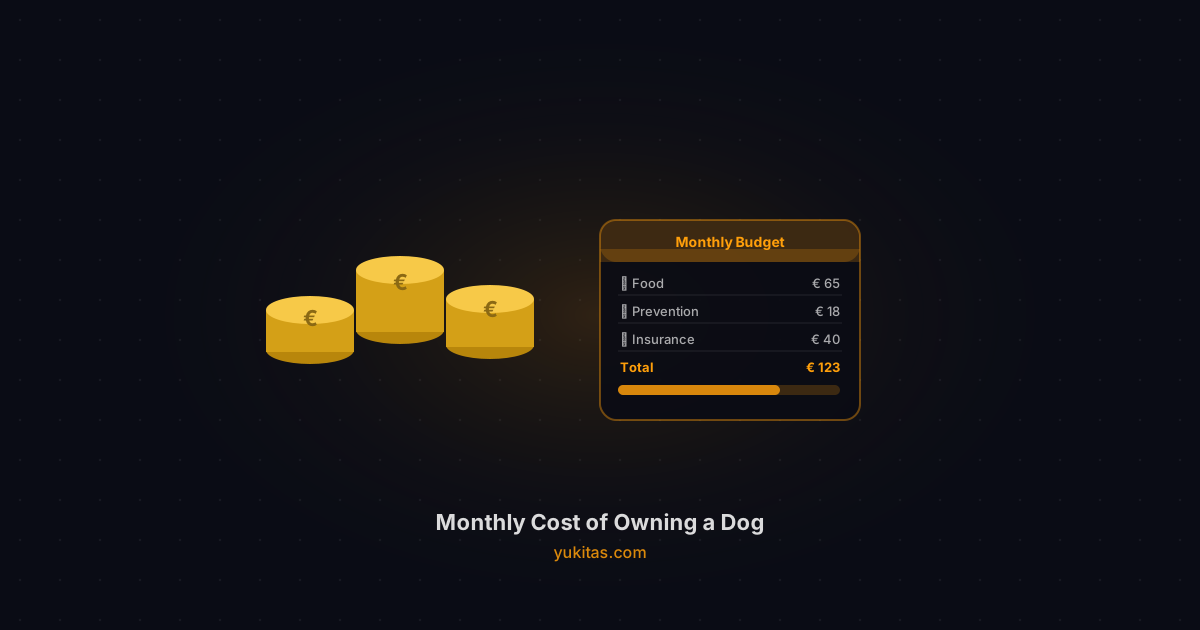
Owning a dog usually costs somewhere between a modest amount and several hundred per month, depending on your dog’s size, your location and the choices you make about food, insurance and care. The recurring monthly costs are food, preventative medication, insurance or a vet-savings buffer, and smaller extras — with occasional bigger bills layered on top.
The single most useful thing you can do is know your own real number rather than a generic average, because costs swing widely between a small dog on basic care and a large dog with premium food and full insurance.
The Recurring Monthly Costs
- FoodThe biggest predictable cost, and it scales with your dog’s size. Larger dogs simply eat more, and premium or prescription diets cost significantly more than standard options.
- Flea, tick and worm preventionA steady monthly or quarterly expense that you can’t skip — both for your dog’s health and to stay on top of zoonotic risks.
- Insurance or savings bufferEither you pay a monthly premium, or you set money aside yourself for the day something goes wrong. One emergency vet visit without either can cost as much as a year of premiums.
- ExtrasTreats, poop bags, the occasional toy, grooming products. These feel small individually but add up quickly across a month.
The Costs That Come in Waves
Some costs aren’t monthly but still need budgeting for:
- Annual vet check-ups and vaccinationsNon-negotiable for your dog’s health. Divide the annual cost by 12 to budget for it monthly.
- GroomingMuch higher for long-coated or curly-haired breeds. A Poodle or a Cockapoo might need professional grooming every 6–8 weeks.
- Boarding or dog-sittingThe cost that catches most new owners off guard when they realise they can’t easily travel without a plan for their dog.
- Unexpected vet billsThe unpredictable big one. A swallowed object, a broken leg, or a sudden illness can cost significantly — which is exactly why insurance or a savings buffer matters.
Why Tracking Beats Guessing
Most owners underestimate the total because the small, frequent purchases don’t feel like much individually. Add them up over a year and the picture changes. The only way to know your real cost is to track it.
The Yuki app has a built-in expense tracker with categories for food, vet, medication, grooming, toys and more, plus monthly and yearly statistics. Over a few months it shows you exactly where your money goes — genuinely useful for budgeting and for deciding whether insurance is worth it for you.
Is Dog Ownership Worth the Cost?
For the vast majority of owners, absolutely. But knowing the real number upfront helps you make a sustainable plan — rather than being surprised six months in. The goal isn’t to spend as little as possible; it’s to spend wisely on what actually benefits your dog, and have a buffer for what you can’t predict.
The Bottom Line
Budget for steady monthly costs — food, prevention, insurance — plus a buffer for the irregular ones. Then track your actual spending for a few months to replace guesswork with your real number. A dog that’s well cared for financially is a dog that gets consistent care — and that matters most for their health and wellbeing.
âš ï¸ Note: Costs vary significantly by country, region, dog breed and individual circumstances. Use this as a framework, not a fixed budget. Your vet is the best source of advice on what your specific dog needs.