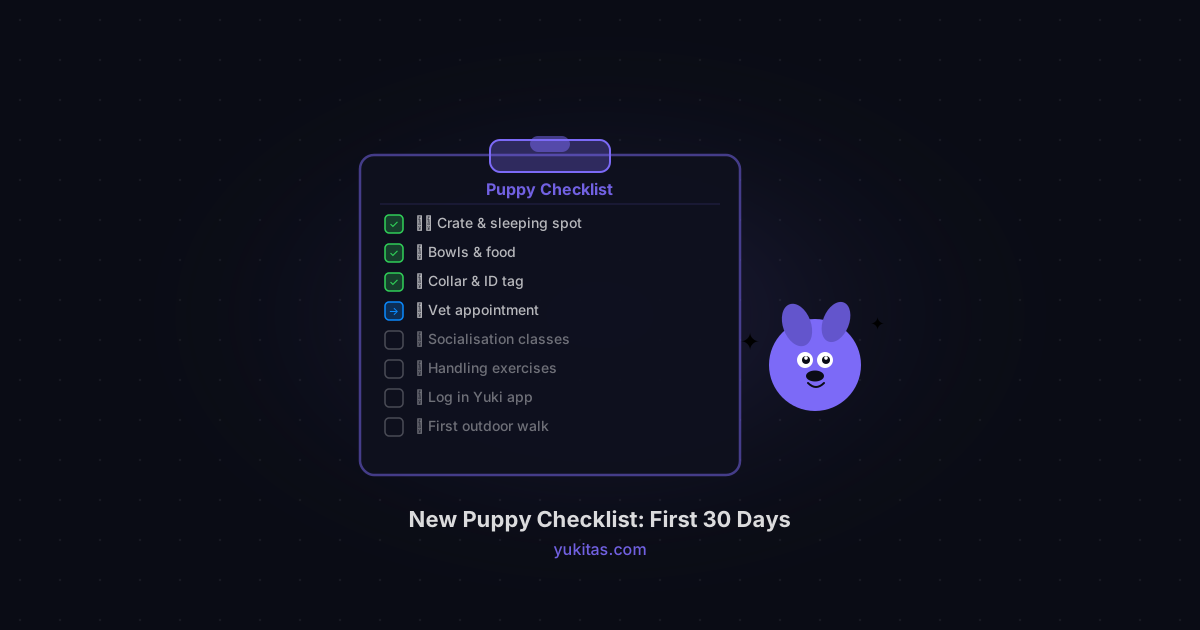
The first 30 days with a new puppy set the foundation for everything that follows. What you set up, who your puppy meets, which habits you build and which vet appointments you keep will shape how your dog behaves for the rest of their life. This checklist breaks it all down into manageable steps — organised by what you need to have, what to do in the first days, and what to prioritise over the first month.
Before Puppy Arrives: The Essentials
- A crate or safe sleeping spaceA crate isn’t a punishment — it’s a den. Puppies that learn to settle in a crate sleep better, feel safer and are easier to house-train. Buy one big enough for the adult size.
- Food and water bowlsStainless steel is easiest to clean and doesn’t harbour bacteria like plastic can. Find out what food the breeder or rescue was using and buy a supply — switching too fast causes digestive upset.
- Collar, ID tag and leadRequired by law in many countries: a dog must wear a collar and ID tag with your contact details in public. A flat collar and a lightweight lead to start.
- ToysA chew toy, a tug toy and something soft. Puppies explore with their mouths — having appropriate outlets reduces the likelihood they’ll choose your furniture.
- Enzymatic cleanerBuy this before you need it. It eliminates odour (not just smell) which matters because dogs return to where they can smell previous accidents. Standard cleaners don’t break down the enzymes.
- A vet bookedRegister with a vet before your puppy comes home. The first check-up should happen within a week of arrival. You’ll need to know which vaccinations have already been given and what’s due next.
Days 1–3: The Adjustment Period
- Keep it calmResist the urge to introduce your puppy to every person and animal on day one. A quiet first few days helps them settle, and an overwhelmed puppy doesn’t learn well.
- Start the routine immediatelyFeed at the same times each day, take your puppy out to their toilet spot frequently (especially after waking, eating and playing), and put them in the crate for naps. The sooner the pattern begins, the faster they learn it.
- Prepare for night-timePuppies often cry the first few nights — they’ve left their litter. A warm water bottle under a blanket and a ticking clock can help. If you’re crate training, place the crate near your bed so they can hear and smell you.
Week 1: Health and Foundation
- Vet check and vaccination planConfirm which vaccines your puppy has had and when the next ones are due. Get the vaccination record in writing and ask about parasite prevention — flea, tick and worming.
- Start handling exercisesDaily: gently touch your puppy’s paws, mouth, ears and tail. Do it paired with treats. A puppy that’s used to being handled is dramatically easier to groom, examine and treat at the vet.
- Begin basic trainingName recognition, sit and “look at me” can all begin in the first week with short, positive sessions. The earlier you start, the sooner good habits set in.
Weeks 2–4: Socialisation Window
- The socialisation window closes earlyPuppies are most receptive to new experiences between roughly 3 and 16 weeks. After that, they become increasingly cautious of unfamiliar things. Use this window intentionally — carefully introduce traffic, children, different surfaces, bicycles, umbrellas and other animals.
- Puppy classesMany vets run socialisation classes that begin before the full vaccination course is complete (in a controlled, safe environment). These are worth every penny — the exposure and early training pay dividends for years.
- Short, gentle walks once vaccinatedOnce your vet clears it, start walking outside. Keep early walks short and let your puppy lead with their nose. This is exploration, not exercise — don’t rush it.
Track Everything From Day One
The first 30 days involve a lot of firsts: first vet visit, first vaccines, first meals in your home, first training sessions. Logging everything from the start makes it much easier to spot patterns (why is my puppy waking at 3am?), share information with the vet, or coordinate care with other family members.
In the Yuki app you can start a complete record for your puppy from day one — vaccinations, health visits, feeding, training sessions, walks and weight. It grows into a full history that you’ll find genuinely useful as your puppy becomes a dog.
The Bottom Line
The first 30 days are the most important of your puppy’s life. Start the routine early, socialise broadly and carefully, get the vet appointments in order, and log what’s happening so you can look back and forward with confidence. What you build in this first month shapes the dog they’ll be for the next decade.
âš ï¸ Note: Vaccination schedules and advice on socialisation before full vaccination completion vary by vet and by country. Always follow your own vet’s guidance — especially regarding when it’s safe to take your puppy to public areas.