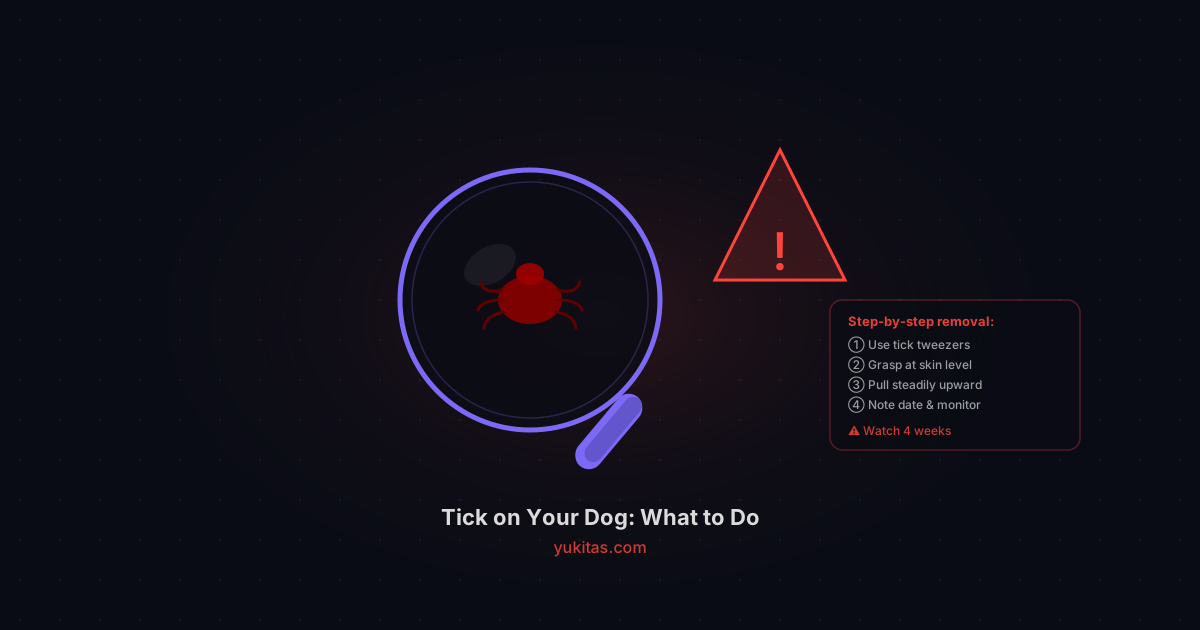
If you find a tick on your dog, remove it as quickly as possible using tick tweezers or a tick removal hook — the sooner it comes out, the lower the risk of disease transmission. Then note the date and monitor your dog for signs of illness over the following four weeks. Most tick bites cause no lasting harm, but some ticks carry serious diseases, so knowing what to watch for matters.
Step-by-Step Removal
- Get the right toolUse tick-removal tweezers or a tick hook (available cheaply at any pet shop or pharmacy). Do not use your fingers alone, nail polish, petroleum jelly or heat — these increase the risk of the tick regurgitating into the bite.
- Grasp as close to the skin as possiblePosition the tool right at skin level, as close to the tick’s head as you can get. You want to grip the head, not the body.
- Pull steadily — no twisting or jerkingApply gentle, steady upward pressure. Do not twist or jerk. The tick should release cleanly after a few seconds of consistent pressure.
- Check the bite siteOnce removed, check that the tick came out whole. A small red spot is normal. If part of the head remains in the skin, it will usually work its way out on its own, but contact your vet if you’re concerned or if the area becomes inflamed.
- Dispose of the tick safelyDrop it in a sealed bag, submerge it in rubbing alcohol, or flush it away. Do not crush it between your fingers — ticks can carry pathogens harmful to humans too.
- Note the date and locationWrite down when and where you removed it and which part of your dog’s body it was on. This information is useful if symptoms appear later.
What to Watch For After Removal
Keep an eye on your dog for the following four weeks. Contact your vet if you notice:
- Fever or lethargyUnusual tiredness or a noticeably warm body can be an early sign of a tick-borne illness like Lyme disease or anaplasmosis.
- Limping or joint swellingLyme disease in dogs often appears as shifting-leg lameness — one leg, then another, without an obvious injury. Don’t ignore this after a known tick bite.
- Loss of appetiteA dog going off their food after a tick bite is worth a call to the vet, especially combined with other symptoms.
- An expanding ring around the biteA bull’s-eye pattern or spreading redness at the bite site can indicate Lyme disease — take this seriously and contact your vet promptly.
Prevention: Your Best Option
- Use monthly tick preventionSpot-on treatments, tick collars or oral preventatives significantly reduce the number of ticks that attach and the transmission risk of those that do. Ask your vet which is best for your dog and your local tick risk.
- Check your dog after every walk in tick habitatPay particular attention to the head, neck, ears, groin, armpits and between the toes — ticks prefer warm, hidden spots. The earlier you find one, the better.
Log tick finds and preventative treatments in the Yuki app — it lets you record the date, location on your dog’s body and any symptoms, and set reminders for your next monthly prevention dose so it never slips.
The Bottom Line
Remove the tick quickly and correctly, note the date, and watch for symptoms over four weeks. Prevention — regular parasite treatment and post-walk checks — remains the best strategy. If in any doubt after a bite, call your vet rather than waiting to see what happens.
âš ï¸ Important: Tick-borne diseases vary significantly by region. If you live in or have visited a high-risk area for diseases like Lyme or Babesiosis, speak to your vet about appropriate prevention and what symptoms to watch for specifically in your location.